

Do you want to know the USG full form? Here, you are going to unveil USG full form in medical, and explore what is the full form of USG.
Table of Contents
When people hear the term USG Full Form, numerous immediately suppose of medical tests. And that’s absolutely correct because USG is one of the most common diagnostic procedures used in healthcare. But what exactly does USG mean, and why is it so extensively used? If you’ve ever wondered “ what is the full form of USG ” or tried to figure out its part in drugs, this post will give you the clarity you need.
Let’s take a deep dive into the USG full form in medical terms and understand how this simple yet important fashion has become an essential part of ultramodern healthcare.
What's the USG Full Form?
The USG full form is Ultrasonography. It's a diagnostic imaging technique that uses high-frequency sound swells to produce real-time images of the inside of the body. Unlike X-rays, which use radiation, ultrasonography is safe, effortless, and extensively used across different areas of drug.
Still, that’s generally a USG test, if you’ve heard about pregnant women going for a checkup. But its operations go far beyond pregnancy check-ups. From checking liver health to diagnosing gallstones, order issues, thyroid problems, or indeed guiding a vivisection, USG has innumerous uses.
So, when someone asks, “What is the full form of USG? ”, the answer is Ultrasonography — a non-invasive diagnostic tool that helps doctors see what’s passing inside your body.
Why is USG Important in Medicine?
Now that we know the USG full form in medical, let’s understand why it’s so essential. Ultramodern healthcare depends heavily on accurate opinion, and ultrasonography plays a critical part in achieving that.
- Safe and Radiation-Free X-rays or CT reviews, USG doesn’t expose cases to dangerous radiation.
- Effortless and non-invasive, no needles or surgery — just an inquiry and some gel on the skin.
- Real-Time Imaging doctors can see moving images, like a beating heart or a baby’s movement.
- Cost-Effective Compared to MRI or CT reviews, USG is affordable and accessible.
Because of these benefits, USG is frequently the first choice for opinion in numerous health conditions.
Different Types of USG Scans
When people suppose of USG full form in medical, they generally imagine pregnancy reviews. But ultrasonography has several types, each serving a different purpose.
1. Abdominal USG
This is one of the most common reviews. It helps in diagnosing problems in organs like the liver, gallbladder, pancreas, feathers, and spleen.
2. Pelvic USG
Used by both men and women. In women, it helps describe uterine and ovarian issues. In men, it can be used for bladder and prostate problems.
3. Obstetric USG
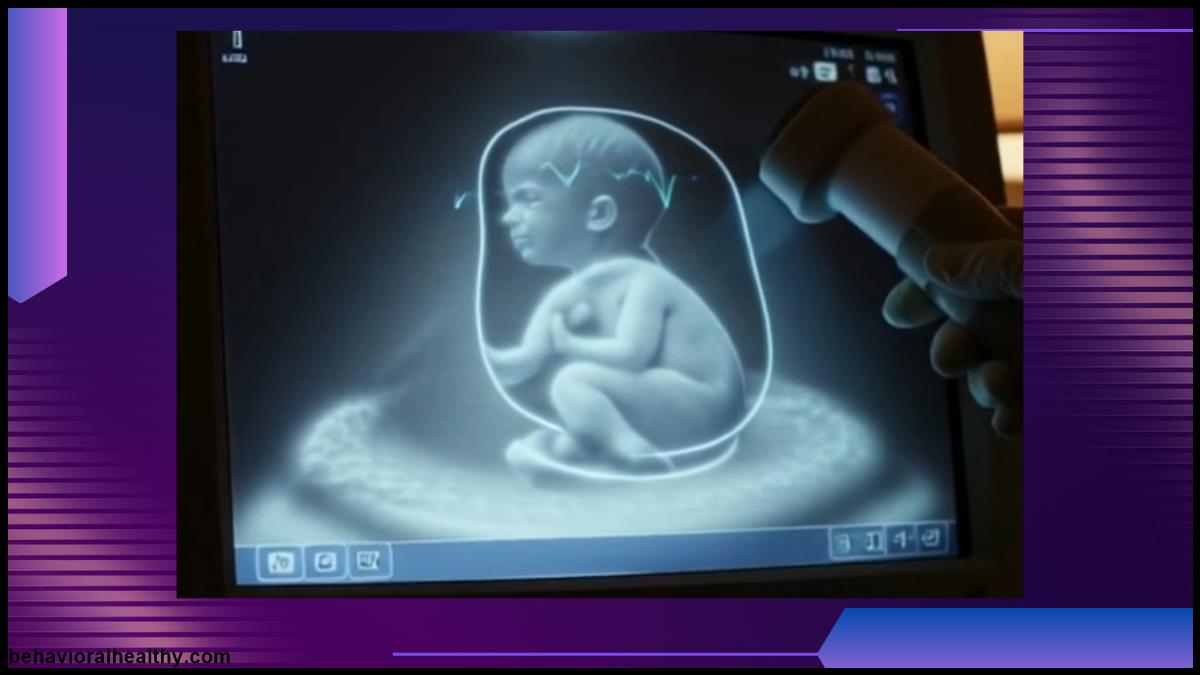
This is the notorious pregnancy ultrasound. It monitors fetal development, detects complications, and checks the baby’s growth.
4. Doppler USG
This special type of ultrasound measures blood inflow in vessels. It’s vital for diagnosing blockages, clots, or circulatory issues.
5. Thyroid and Neck USG
Used for relating nodes, blowup, or any abnormality in the thyroid gland.
6. Musculoskeletal USG
- Helps in diagnosing joint, tendon, and ligament injuries, especially among athletes.
- Each of these types highlights how broad the operations of ultrasonography are in drugs.
The Procedure: What Happens in a USG Test?
Understanding what the full form of USG is one thing, but knowing how the test is actually done is equally important. Numerous people get nervous before medical tests, so let’s break it down simply.
- Preparation: Depending on the area being scrutinized, you may be asked to drink water (for pelvic USG) or presto for many hours (for abdominal USG).
- Operation of Gel: A water-grounded gel is applied to the skin to allow smooth movement of the inquiry and better sound surge transmission.
- Scanning with the inquiry: The doctor or technician moves the transducer( inquiry) over the area. It sends sound swells into the body and collects echoes to form images.
- Real-Time Imaging: The images appear on an examiner incontinently.
- Duration: Utmost reviews take between 15 – 30 twinkles.
- Results: A radiologist interprets the images and sends a report to your doctor.
That’s it — no pain, no recovery time, and no complicated process.
Common Uses of USG in Healthcare
Since USG full form is ultrasonography, it is used in different areas of medicine and medical tests. There are some major operations
- Pregnancy - Monitoring fetal health, detecting abnormalities, checking twinkle and movements.
- Gastroenterology - Diagnosing gallstones, adipose liver, pancreatitis, or abdominal fluid.
- Urology - relating order monuments, bladder issues, or prostate blowup.
- Cardiology - Echocardiography( heart ultrasound) to study heart function.
- Oncology - Detecting excrescences, guiding necropsies.
- Emergency Care - Quick opinion of internal bleeding or organ injury.
In short, wherever a doctor needs a safe and quick way to see inside the body, ultrasonography is the answer.
Advantages of USG over Other Imaging ways
Numerous people ask why use USG when we've X-ray, CT, or MRI? The answer lies in its advantages.
- No Radiation is Safe for pregnant women and children.
- Movable Machines can be moved fluently, indeed used in ambulances and pastoral areas.
- Affordable Costs much less than MRI or CT reviews.
- Immediate Results Images can be interpreted on the spot.
- Guidance for Procedures doctors use USG to guide injections, necropsies, and drainage.
This is why ultrasonography remains the go-to diagnostic tool in numerous situations.
Limitations of USG
Of course, like any medical test, USG has its limitations.
- Image Clarity: Not as detailed as MRI or CT reviews.
- Bone and Gas Limitations: Sound swells don’t travel well through bone or gas, so areas like the lungs and brain are harder to examine.
- Operator Dependent: The delicacy depends a lot on the skill of the technician or doctor performing the checkup.
Still, despite these limitations, USG is frequently the first step in opinion before moving to more advanced imaging if demanded.
FAQs about USG
Q1. What's the full form of USG?
The full form of USG is Ultrasonography.
Q2. What does USG mean in medical terms?
In medical terms, USG refers to an imaging fashion that uses ultrasound swells to produce real-time images of internal organs and structures.
Q3. Is USG safe during pregnancy?
Yes, USG is fully safe for both mama and baby, which is why it’s the favored system for covering pregnancy.
Q4. How long does a USG checkup take?
Most reviews take between 15 and 30 twinkles, depending on the area being examined.
Q5. Is fasting needed for USG?
It depends. For abdominal reviews, dieting for 6 – 8 hours may be needed, while pelvic reviews may bear a full bladder.
Conclusion
By now, you have a clear understanding of the USG full form — Ultrasonography — and why it’s such a critical tool in healthcare. From pregnancy monitoring to diagnosing complex conditions, USG has become a dependable, safe, and cost-effective system of looking inside the body without surgery or radiation.
So, the next time someone asks you, “What is the full form of USG? ”, you’ll know the answer goes beyond just the words. It’s about an important diagnostic tool that has converted the way doctors understand and treat cases.